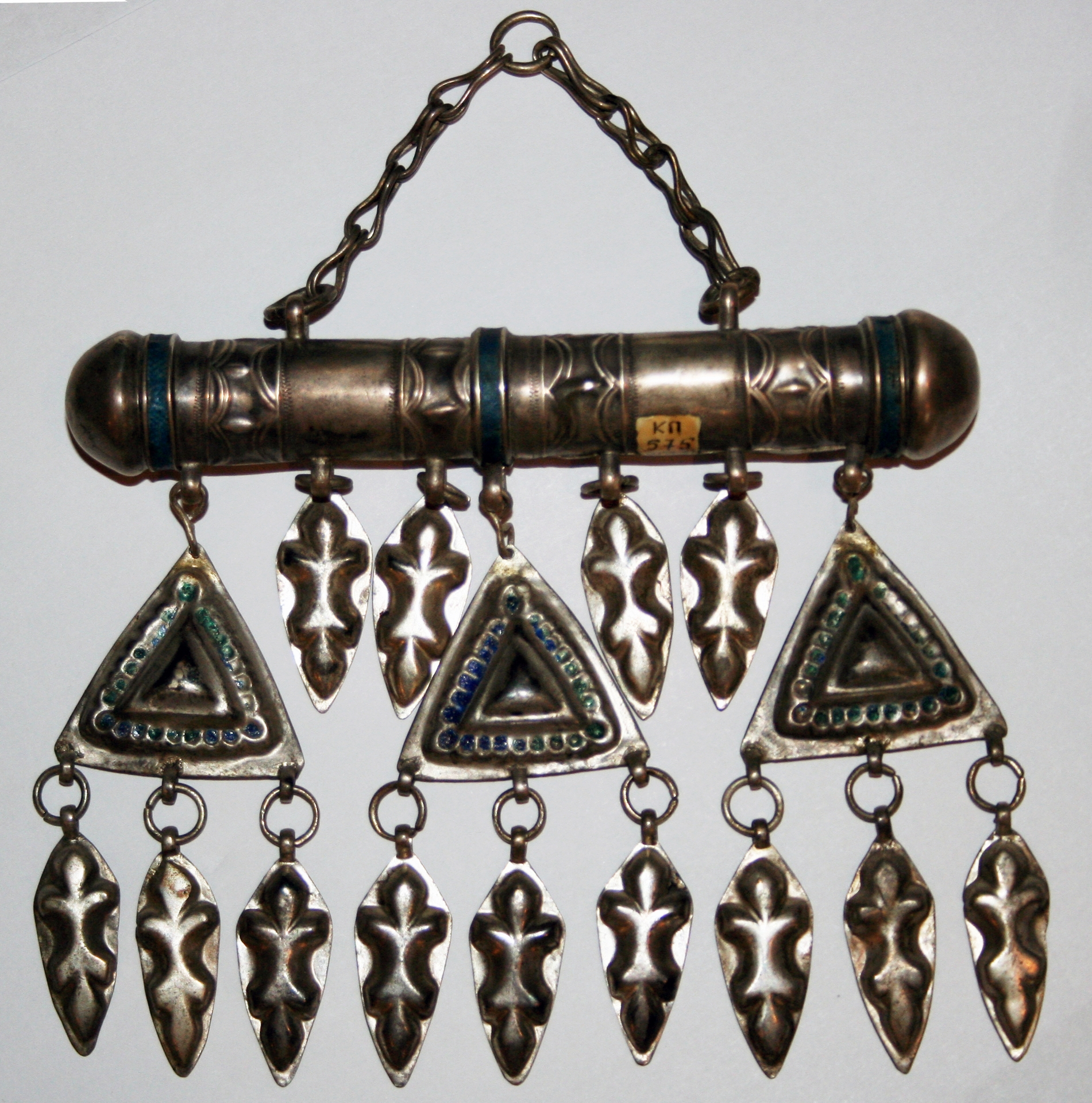
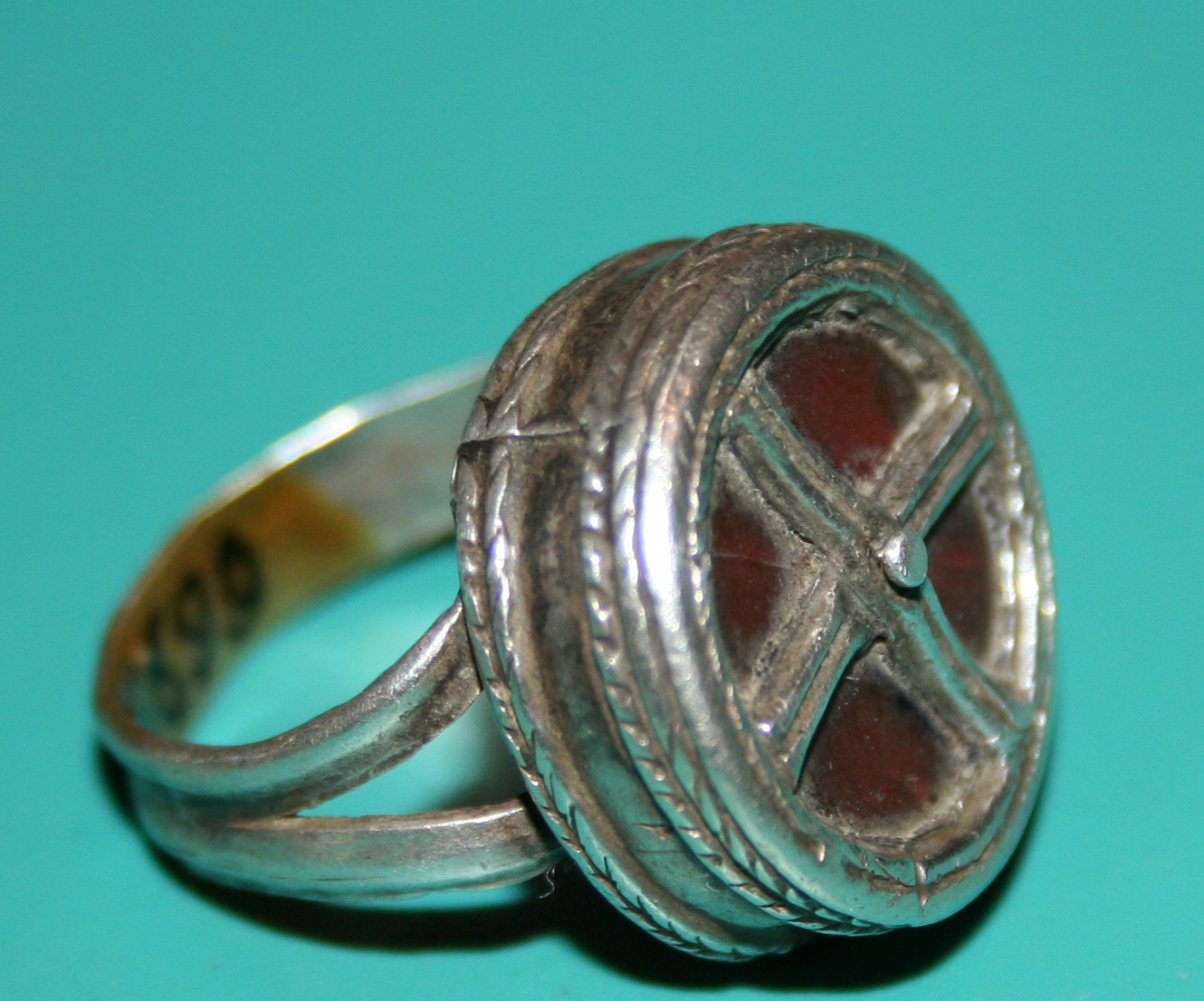
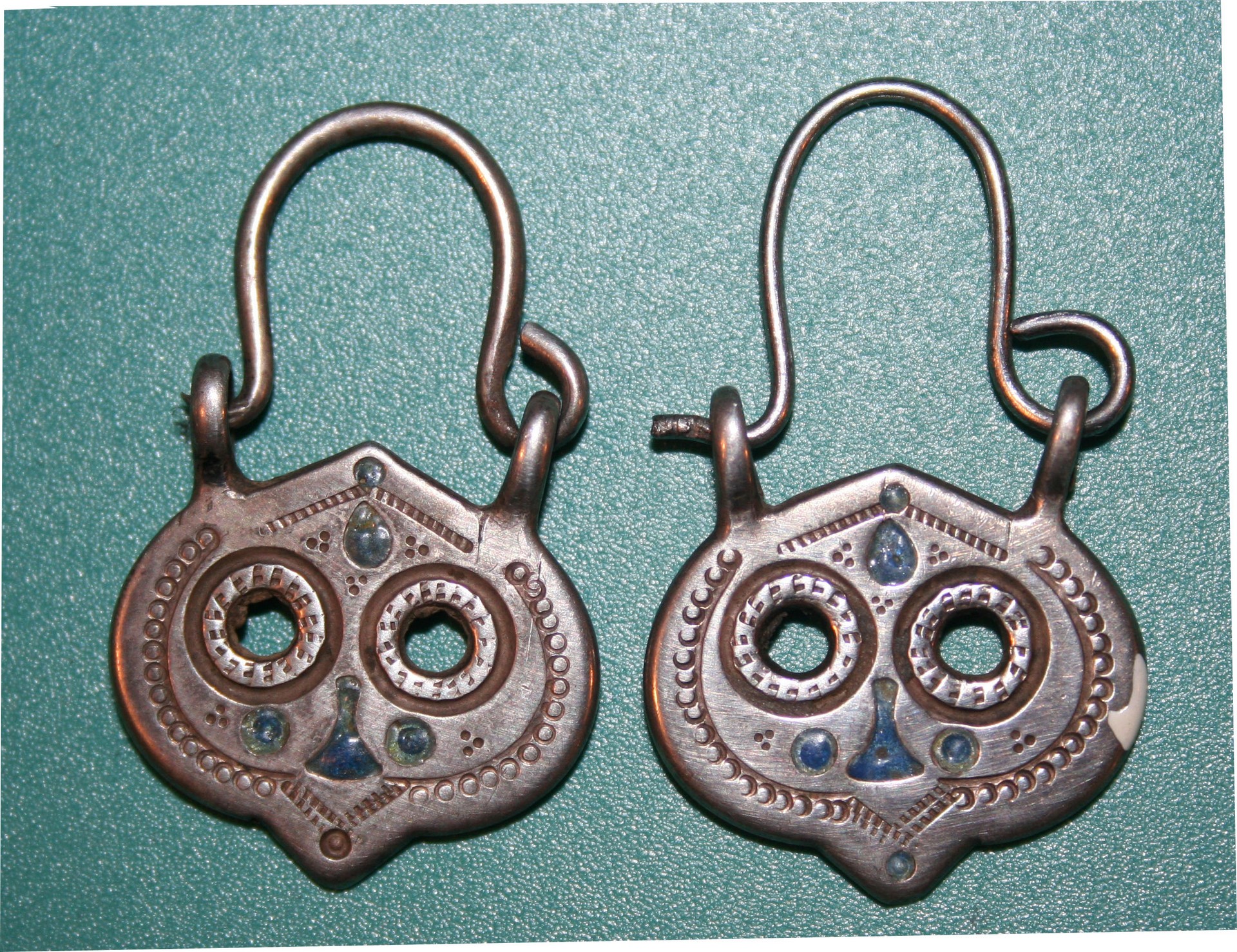
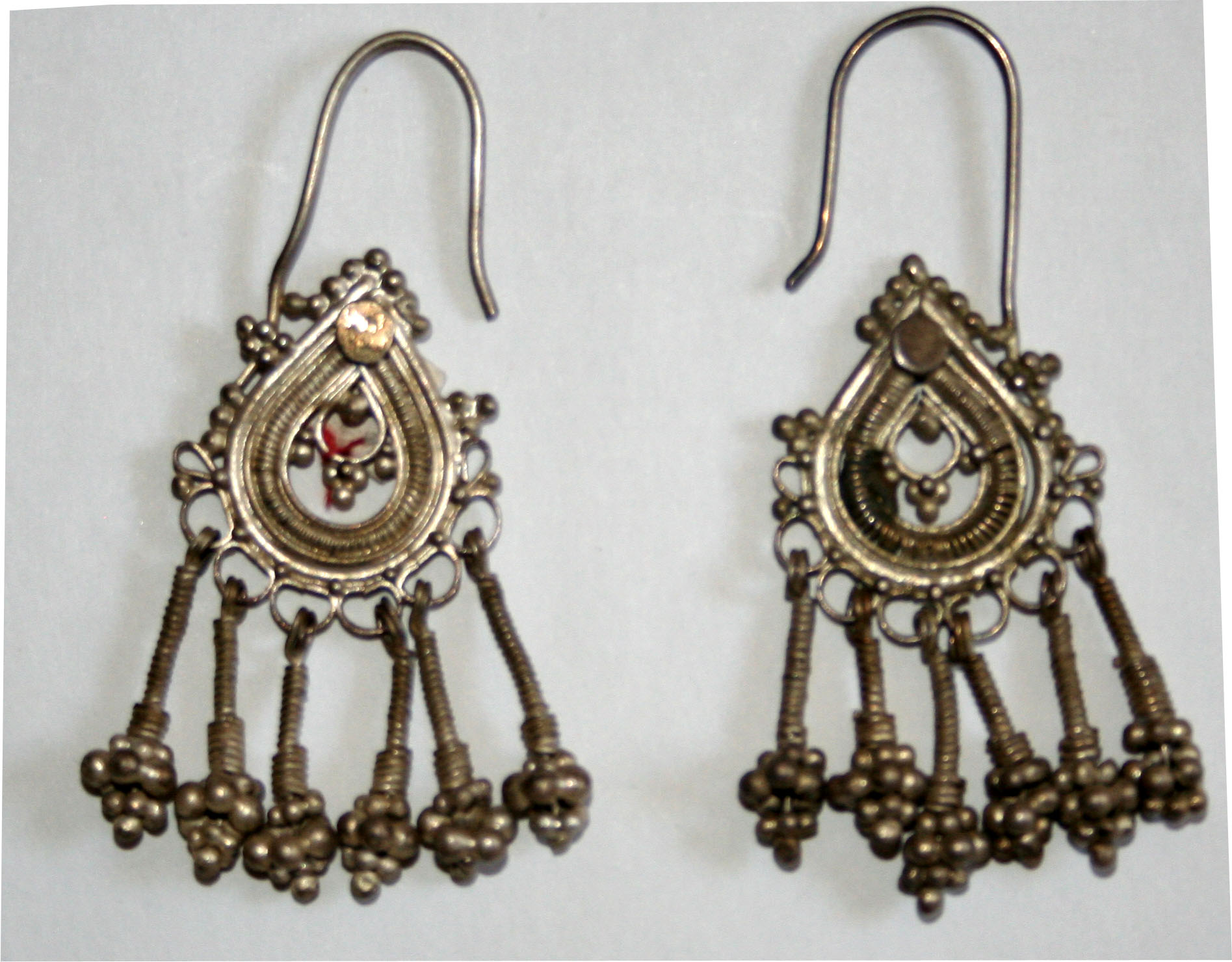
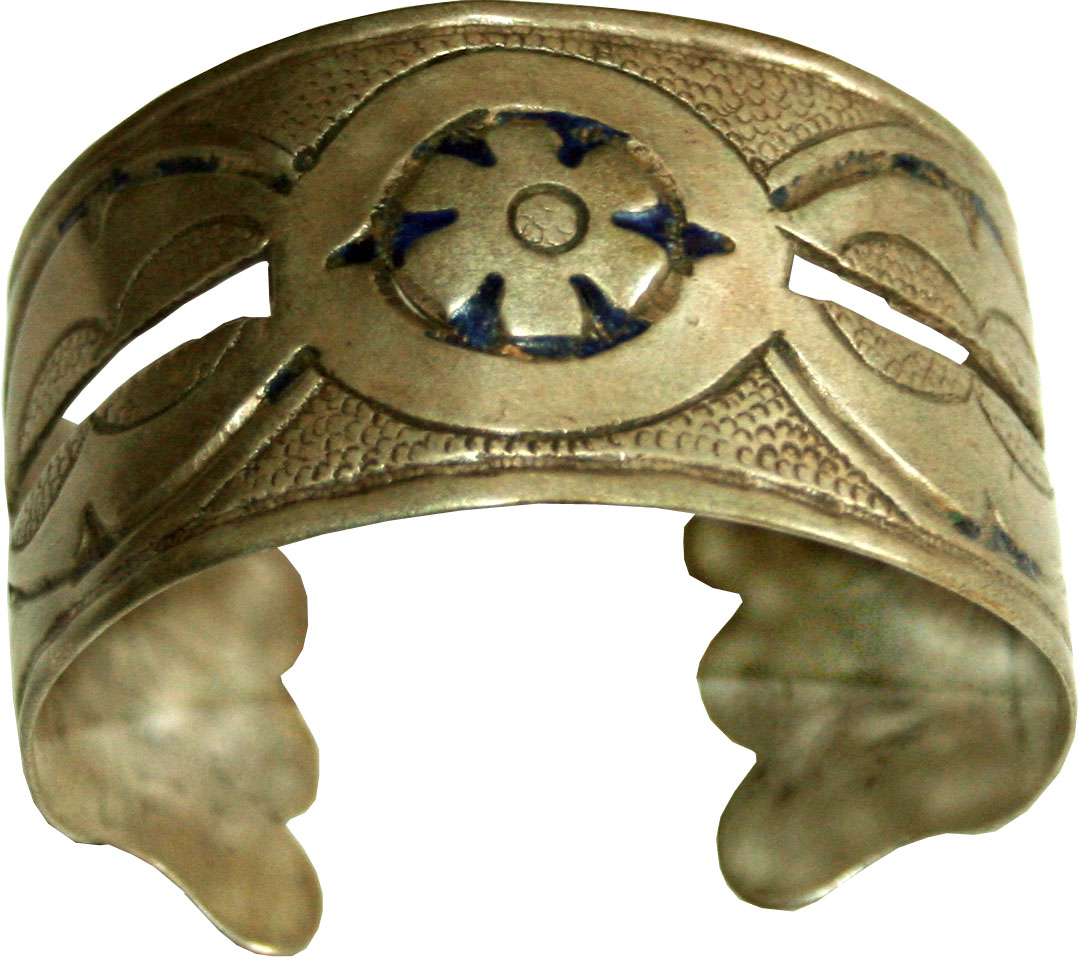
One of the most highly developed forms of
Kazakh folk art is jewelry-making, which holds a special place in the history
of national culture. Its origins date back to ancient times: archaeological
evidence shows that gold, silver, copper, tin, and lead were mined in
Kazakhstan, and through forging, casting, and stamping, people produced tools,
ornaments, and various objects.
Since the Neolithic era, people have worn
bracelets and necklaces made from bone and shells. Jewelry served not only as
adornment but also as a talisman, believed to possess protective and magical
powers. Men often used the bones and teeth of hunted animals as ornaments,
symbolizing strength and bravery.
Over time, the decorative role of jewelry
became dominant, while its protective function remained secondary. With the
development of metallurgy, amulets and talismans began to be made from copper,
silver, and gold, often plated and decorated with precious stones. As early as
the 2nd millennium BCE, techniques such as casting, forging, engraving,
filigree, gilding, granulation, and inlay were practiced. During the Early Iron
Age, the “animal style” flourished, with artisans skillfully combining precious
metals, gems, embossing, and intricate decorative methods.
Jewelry art thus reflects not only
craftsmanship and aesthetics but also the spiritual and cultural heritage of
the Kazakh people.
The craft of working iron and creating
household items is among the oldest professions. In Turkic-speaking
communities, blacksmiths were believed to possess mystical powers and were held
in high esteem. They were known as ұста (master), дархан (blacksmith), шебер
(craftsman).
Blacksmiths preserved the secrets of their
trade and passed them down through generations. Only men were allowed to practice
this craft, mastering the techniques of forging hot iron, casting it into
molds, and welding pieces together.
Workshops, commonly called “düken”, were
usually built in courtyards or adapted from old yurts. They contained a forge,
bellows, a heavy anvil, various hammers, tongs, chisels, and other sturdy
tools—many of which the craftsmen made themselves.
Blacksmiths primarily produced tools and
equipment for animal husbandry and farming. In addition, they fulfilled custom
orders, making everyday household items and decorative objects.