Archaeological
evidence indicates that between the 10th and 12th centuries, significant urban transformations
occurred in the medieval cities of southern Kazakhstan. During this period, the
internal structures of cities became more complex, and their territories
expanded. These changes were directly linked to the rapid development of
productive forces between the 9th and 12th centuries.
Under the
political dominance of the Karakhanid state, public and religious buildings
such as mosques, bathhouses, and noble residences were actively constructed.
Water supply and sewer systems were also installed, significantly transforming
the urban infrastructure.
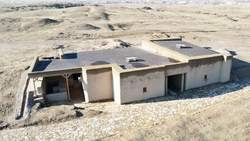
Residential
construction also underwent major changes. Among city dwellers, houses with
enfilade and cross-shaped layouts became widespread. Interior spaces of these
houses were modified, and certain areas were coated with sypa plaster.
These
developments reflect a revival of urbanization processes and a high level of
cultural and economic advancement in the region during the medieval period.