During the
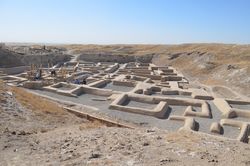
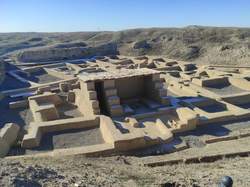
third excavation in Otyrar’s Shahristan area, five construction layers were
identified, allowing researchers to study the urban layout and daily life over
five centuries (mainly the 10th–13th centuries). Buildings corresponding to the
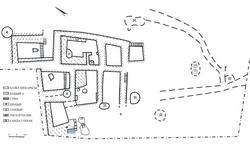
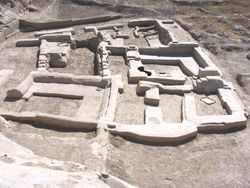
V horizon covered approximately 300 m² and were excavated only in the northern
section, where houses were constructed very densely.
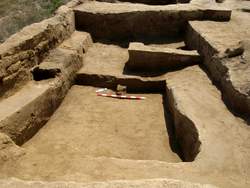
Four
residential houses were discovered. Their layout included corridors, living
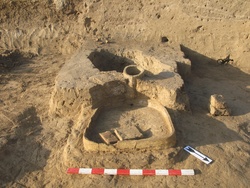
rooms, storage areas, and sanitary chambers. Interior features included stoves,
tandyr ovens, hearths, bathing facilities, and designated refuse areas.
Archaeological
findings revealed the presence of specialized sanitary rooms, reflecting a high
level of urban culture and infrastructure in Otyrar. The inclusion of such
spaces indicates the importance of hygiene and domestic comfort, a high
standard of living, and carefully planned housing.
The presence
of water supply and drainage systems, with wastewater removal through wells,
demonstrates advanced technological development for the period. Sanitary
facilities and designated refuse areas provide valuable insight into the daily
life of residents.
These findings confirm that the residential culture
in Otyrar’s Shahristan during the 10th–13th centuries was highly developed.
This period of urban flourishing corresponds to what Orientalist Professor Adam
Metz described as the “Islamic Renaissance.”