One of the
most significant structures that played an important role in the urban
composition of Otyrar during the 14th–15th centuries was the palace of Berdibek
Khan, the last ruler of the city. Together with the Juma Mosque, this building
formed an integrated architectural complex that served as the administrative and
political center of the city. Although the palace was constructed in the 14th
century, its original version was destroyed in the early 13th century during
the Mongol invasion.
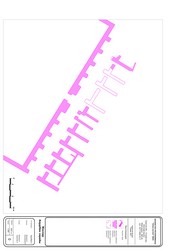
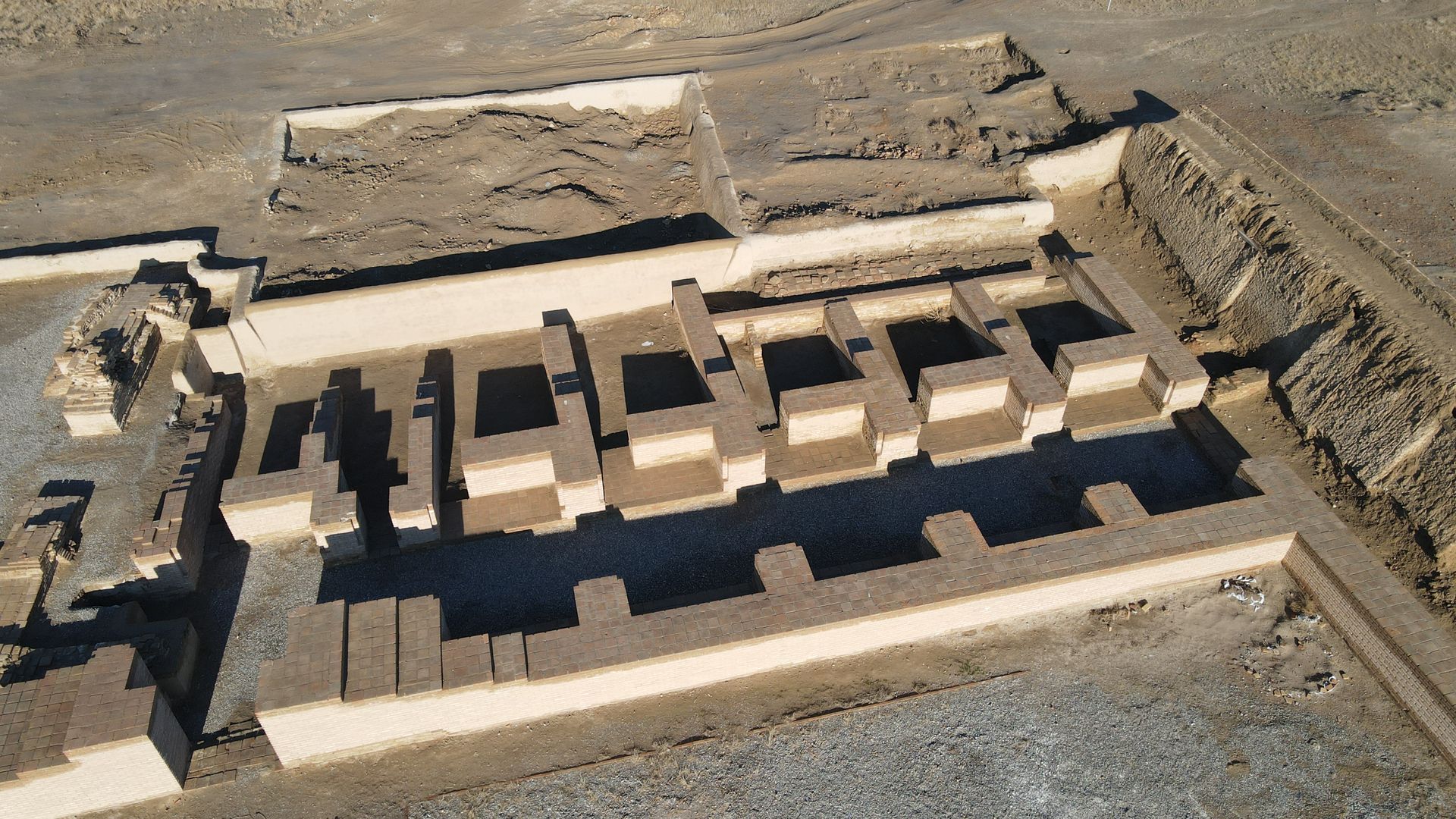
The Berdibek
Palace is the only fortification structure in Otyrar that has been
comprehensively studied archaeologically and has a fully documented structural
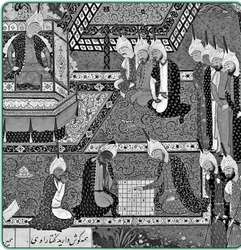
description. According to medieval sources, particularly the writings of Sharaf
ad-Din al-Yazdi, in the 14th century Berdibek, the ruler of Otyrar, possessed a
multi-room palace that included a ceremonial hall for official receptions.
On 18
February 1405, according to the Gregorian calendar, the great conqueror Timur
passed away in this palace. However, as a result of the internal conflicts that
erupted within the Timurid dynasty after the ruler’s death, the palace was
destroyed and ceased to function in the first half of the 15th century.
Amir Timur’s
final years spent in Otyrar contributed to the city’s extensive depiction in
historical sources. Archaeological artifacts confirming the defensive and
residential functions of the palace clearly demonstrate its status and
importance as a prestigious royal residence of its time.